Why Punctuation Matters: The Tiny Marks That Make a Big Difference
Imagine reading a book, text message, or story without any punctuation.
It would feel confusing, messy, and exhausting. Punctuation marks may be small, but they play a huge role in helping us communicate clearly and effectively.
From commas and periods to question marks and quotation marks, punctuation guides readers through our writing and helps them understand exactly what we mean.
Let’s explore six important reasons why punctuation matters in written communication.
1. Punctuation Creates Clarity
The biggest purpose of punctuation is clarity.
It helps readers understand how words and ideas connect inside a sentence.
Look at these two examples:
- Let’s eat, Grandma!
- Let’s eat Grandma!
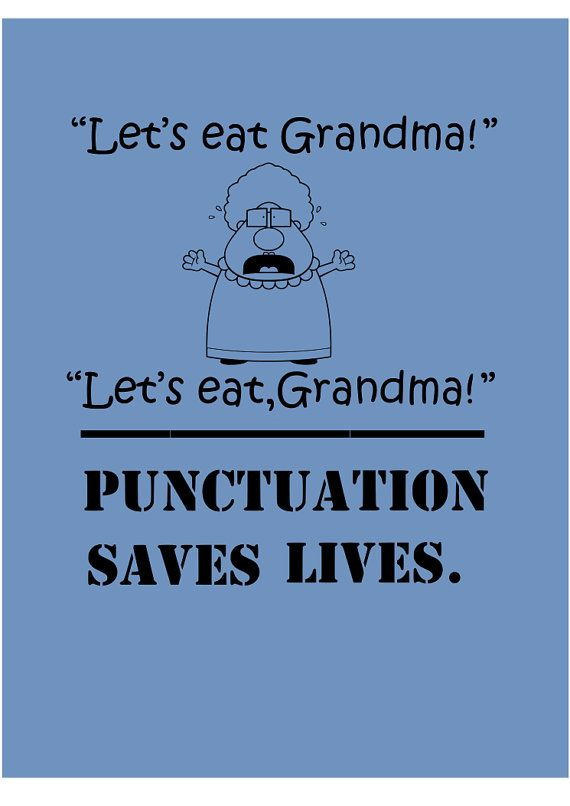
One sentence invites Grandma to dinner.
The other sounds like Grandma is dinner!
A single comma completely changes the meaning.
Punctuation prevents misunderstandings and ensures readers interpret our message correctly.
Even small punctuation mistakes can create confusion in school assignments, emails, advertisements, legal documents, and everyday conversations.
2. Punctuation Helps Express Tone and Emotion
When we speak, we use pauses, facial expressions, and voice changes to show emotion.
In writing, punctuation does that job.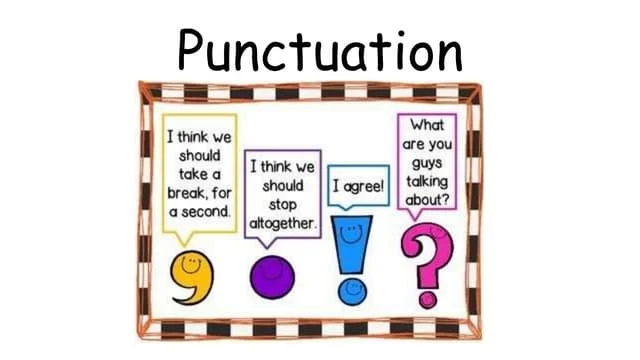
Different punctuation marks create different feelings:
Exclamation marks (!)
show excitement, surprise, or strong emotion.
Example:
What an amazing performance!
Question marks (?)
indicate curiosity or uncertainty.
Example:
Are you coming with us?
Ellipses (…)
create suspense or hesitation.
Example:
Well… I’m not sure.
Without punctuation, writing can sound flat and emotionless.
Punctuation gives writing personality and helps readers “hear” the writer’s voice.
3. Punctuation Improves the Reading Experience
Good punctuation makes reading smooth and enjoyable.
Imagine driving on a road with no traffic signs or signals.
You wouldn’t know when to stop, slow down, or turn.
Punctuation works the same way in writing.
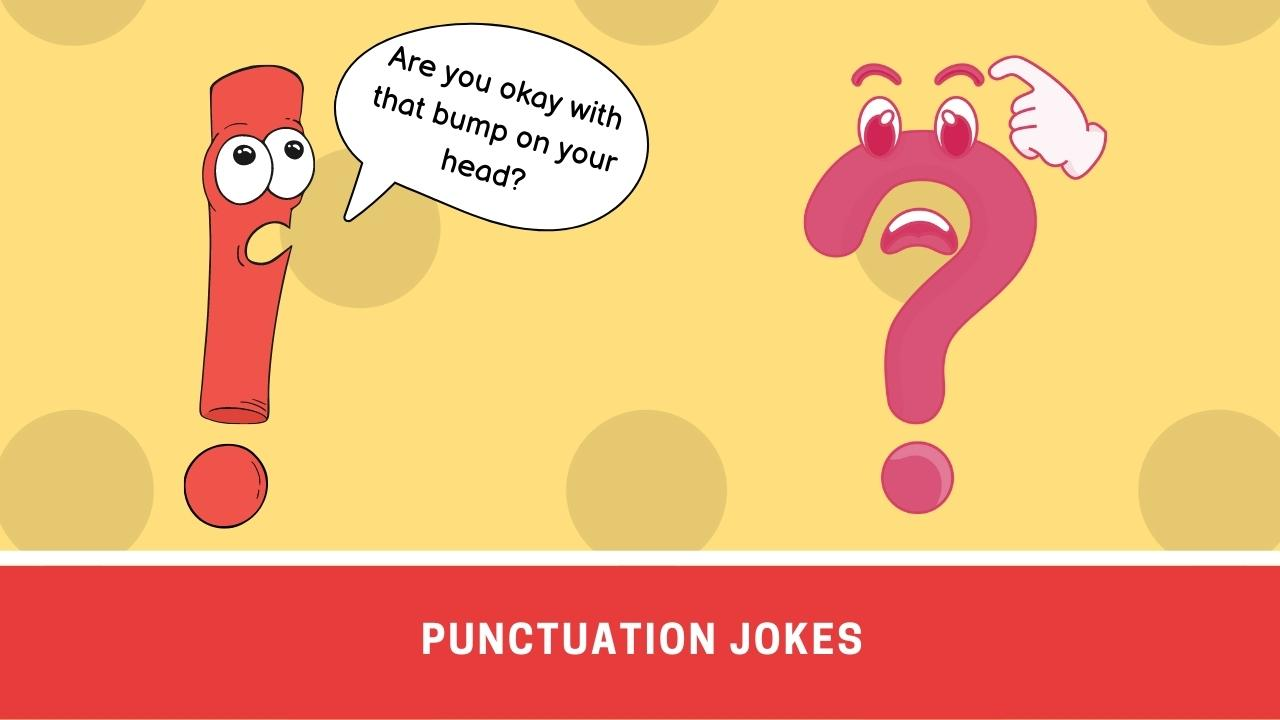
Periods tell us to stop.
Commas tell us to pause briefly.
Semicolons create a longer pause.
These marks guide the rhythm and flow of sentences.
Consider this sentence:
- The ill-mannered woman entered the hall.
The hyphen clearly shows that ill-mannered describes a person with bad manners.
Without the hyphen, readers may pause and wonder about the meaning.
Proper punctuation removes confusion and allows readers to focus on the message instead of struggling through the sentence.
4. Correct Punctuation Builds Credibility
People notice punctuation mistakes more than we realize.
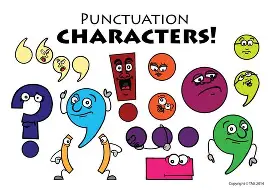
Writing filled with punctuation errors can appear careless and unprofessional.
Whether it’s a school project, blog post, business email, or website, proper punctuation reflects attention to detail.
For example, if a company’s website contains many punctuation mistakes, customers may question the quality of its products or services.
Strong punctuation shows that the writer is careful, thoughtful, and respectful toward readers.
In today’s digital world, punctuation is also part of good online communication and netiquette.
5. Punctuation Guides Readers
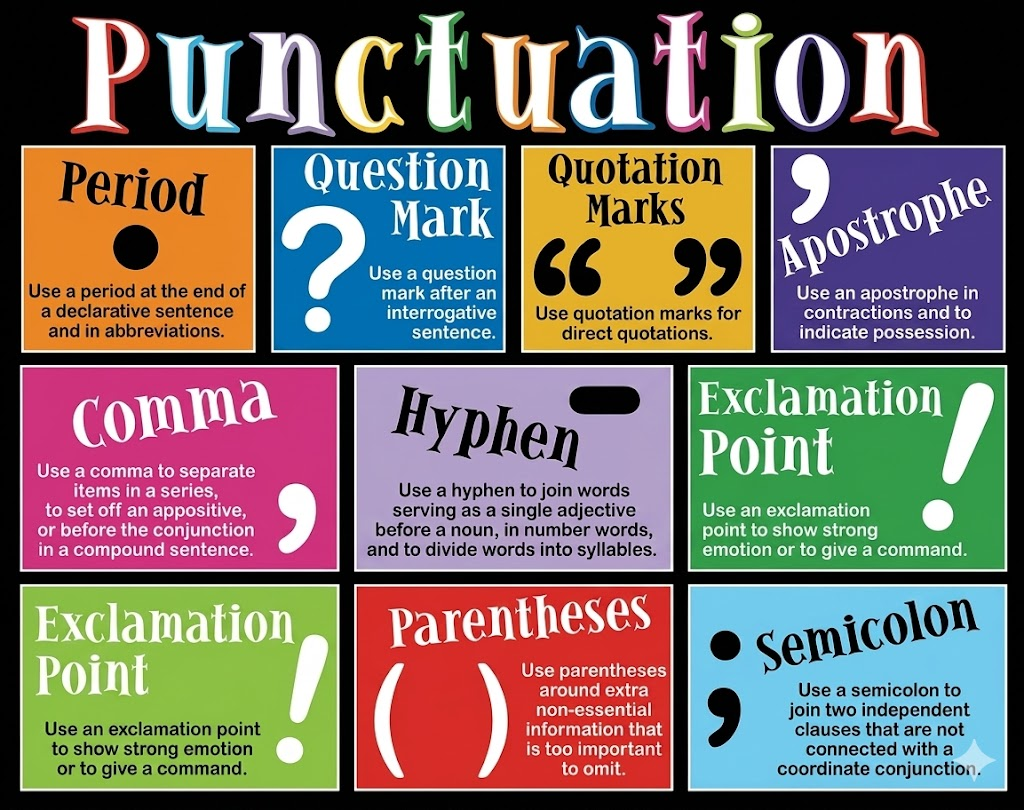
Punctuation acts like a map for readers.
It organizes ideas, separates thoughts, and shows how sentences should be read.
Quotation marks show direct speech:
“I will help you,” said Maya.
Colons introduce lists or explanations:
You need three things: patience, practice, and persistence.
Bullet points, commas, and semicolons help structure information neatly.
Without punctuation, writing would feel crowded and difficult to navigate.
Writers use punctuation to control pacing, emphasize important ideas, and lead readers smoothly from one thought to another.
6. Punctuation Makes Writing More Attractive
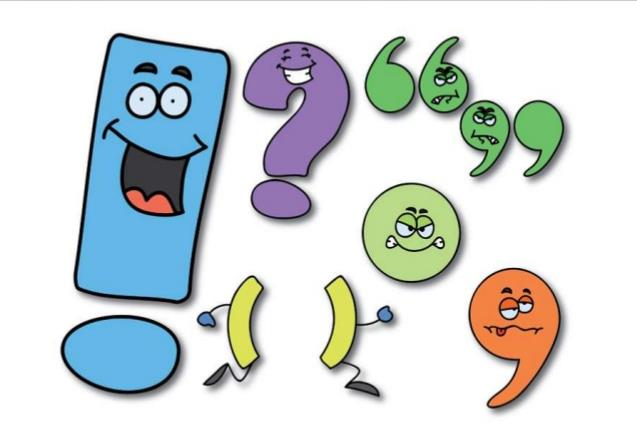
Punctuation improves the visual appearance of writing.
Large blocks of text without punctuation or spacing can feel overwhelming.
Well-punctuated writing looks cleaner, more organized, and easier to read.
For example:
Inline List
Her hobbies include reading, painting, and dancing.
Bulleted List
Her hobbies include:
- reading
- painting
- dancing
The second version is visually clearer and more appealing.
Using punctuation creatively and correctly helps writers present their ideas in an organized and attractive way.
What Would Happen Without Punctuation?
Without punctuation, communication would become confusing and frustrating.
Readers would struggle to understand meaning, sentence structure, and tone.
Misunderstandings would become common, and reading would require far more effort.
Punctuation helps us communicate efficiently, clearly, and effectively.
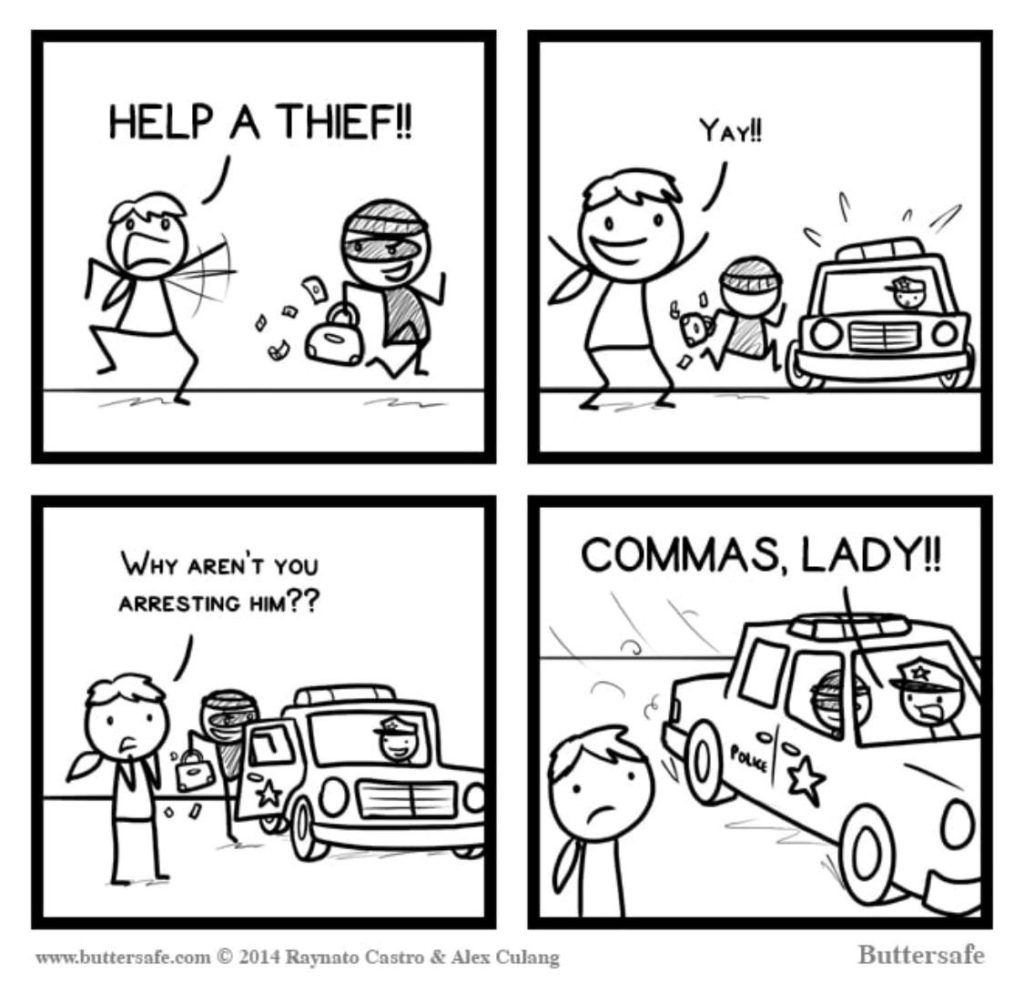
Why Proper Punctuation and Spelling Matter?
Correct punctuation and spelling work together to improve communication.
They:
- make writing clear and professional
- help readers understand meaning quickly
- prevent confusion and misunderstandings
- improve readability
- show respect for the reader’s time
Good punctuation is not just about grammar rules—it is about making ideas understandable and enjoyable to read.
Conclusion
Punctuation may seem small, but its impact is enormous.
It creates clarity, expresses emotion, improves readability, builds credibility, guides readers, and enhances the beauty of writing.
Without punctuation, written communication would lose structure, meaning, and flow.
So, the next time you use a comma, period, or question mark, remember: those tiny marks are doing powerful work behind the scenes.